


Deglobalization and trade fragmentation
2
%
9.7

The signals shaping tomorrow's policy agenda are already present today. For strategy and foresight leaders in civic and public institutions, the real challenge is identifying which ones will matter - and acting on them before the window for proactive policy closes.

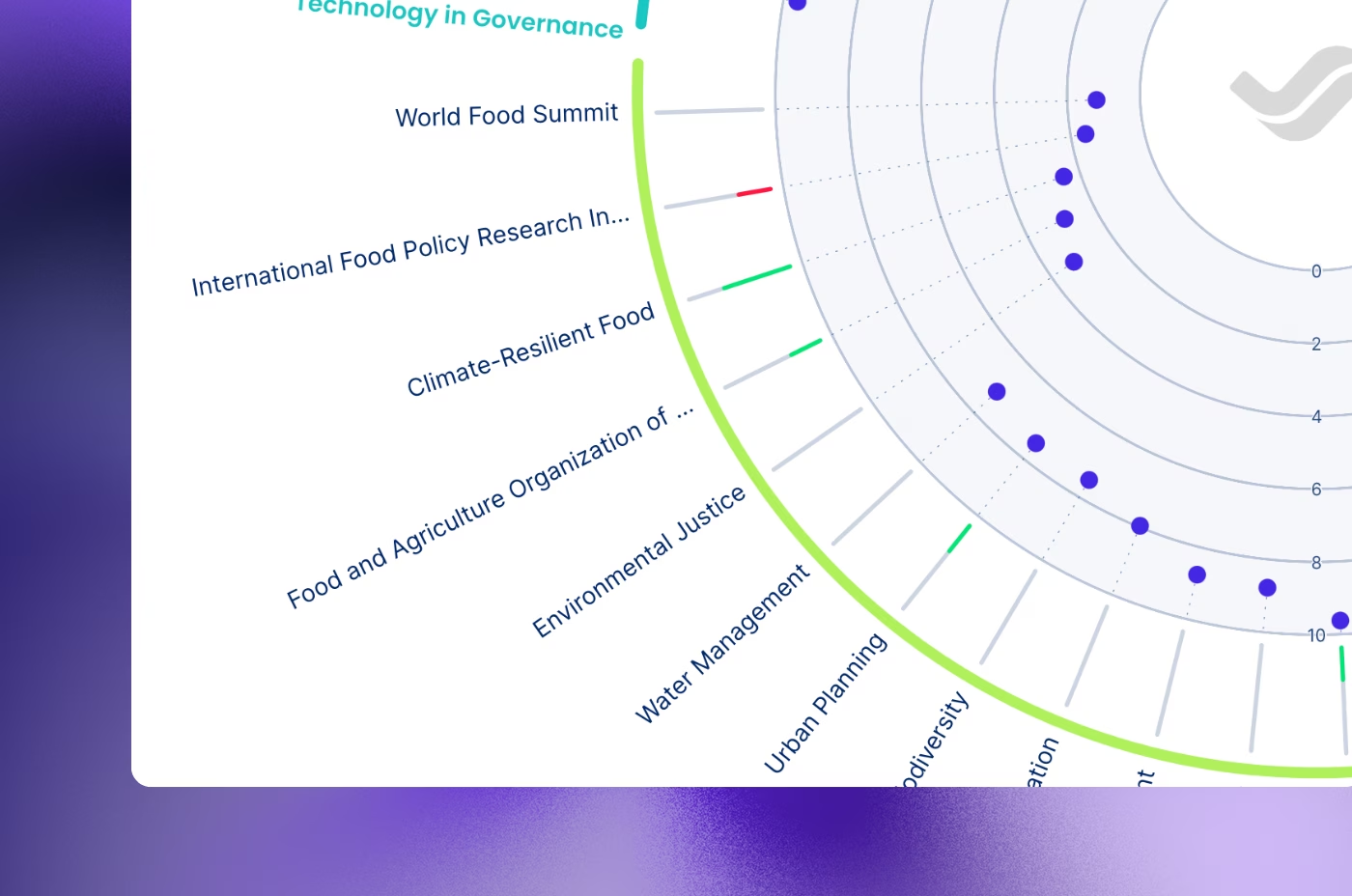
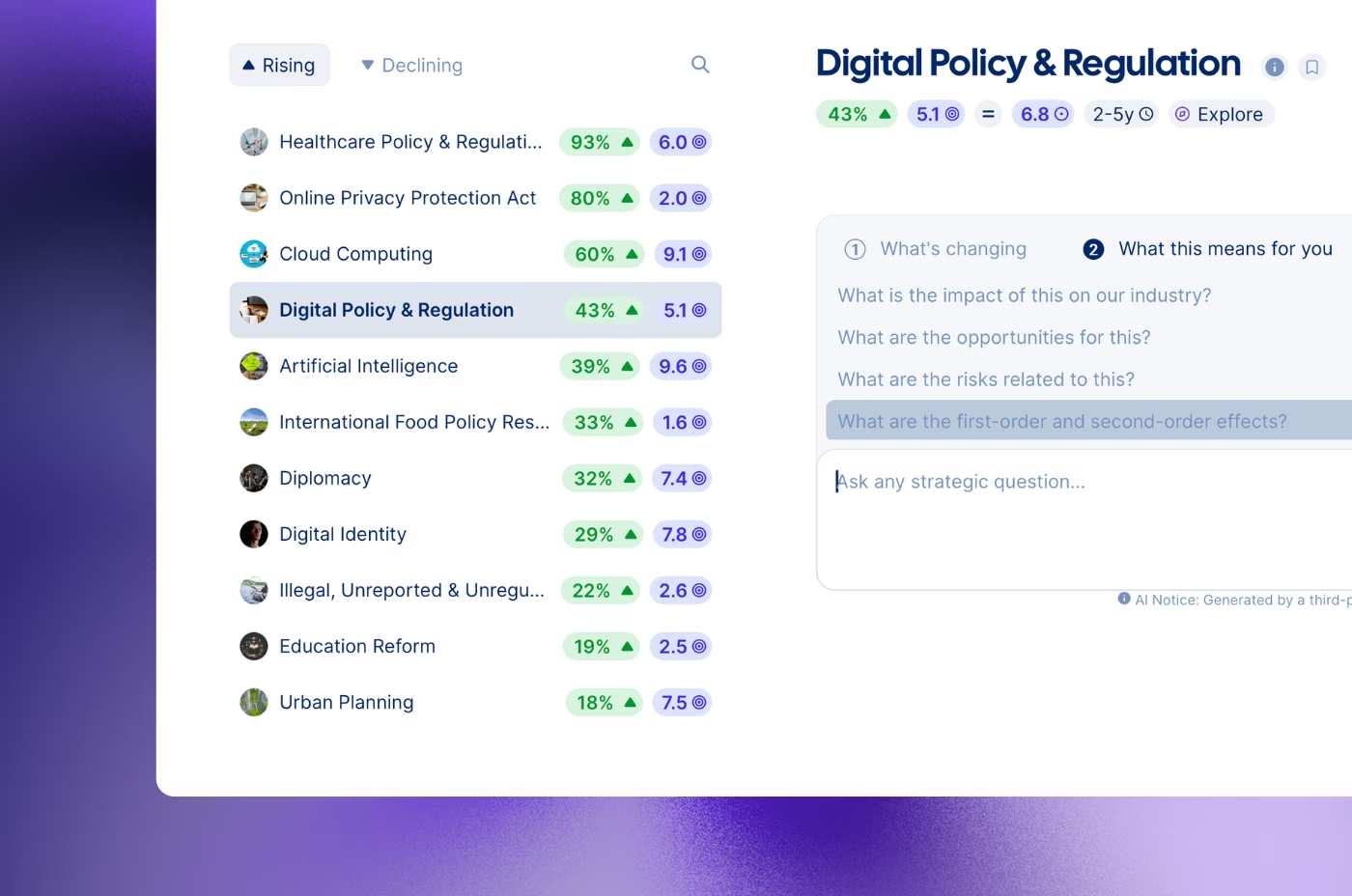
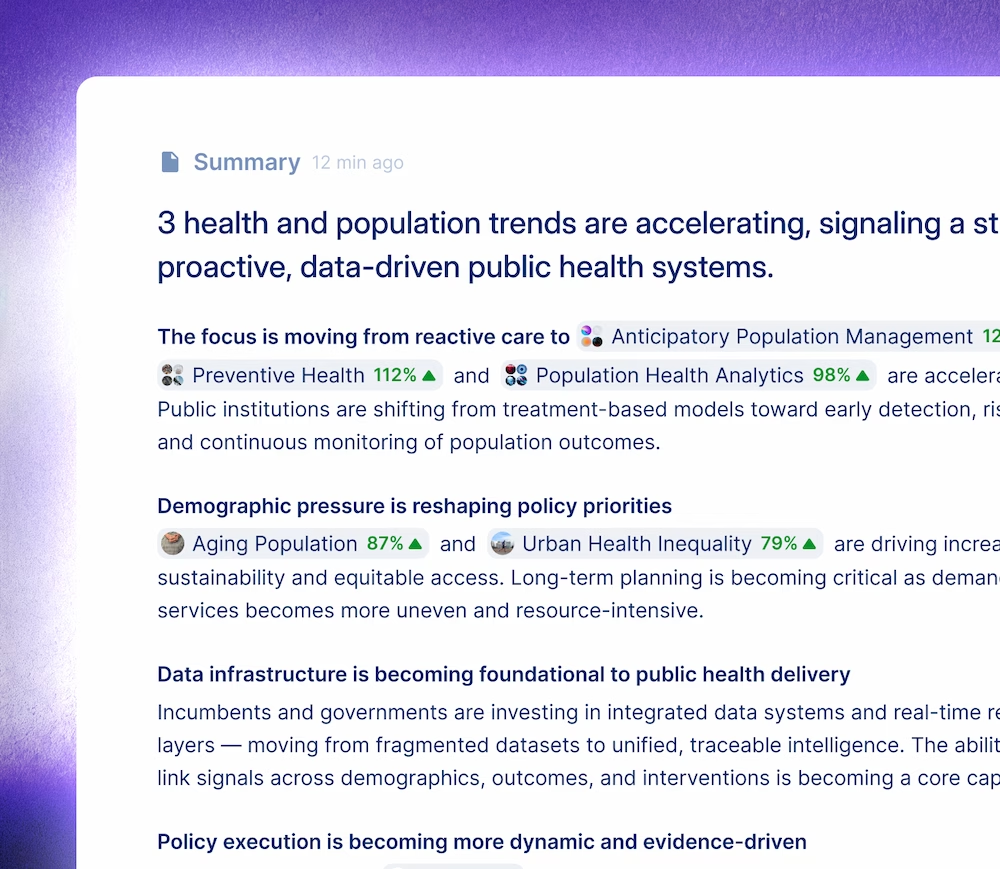
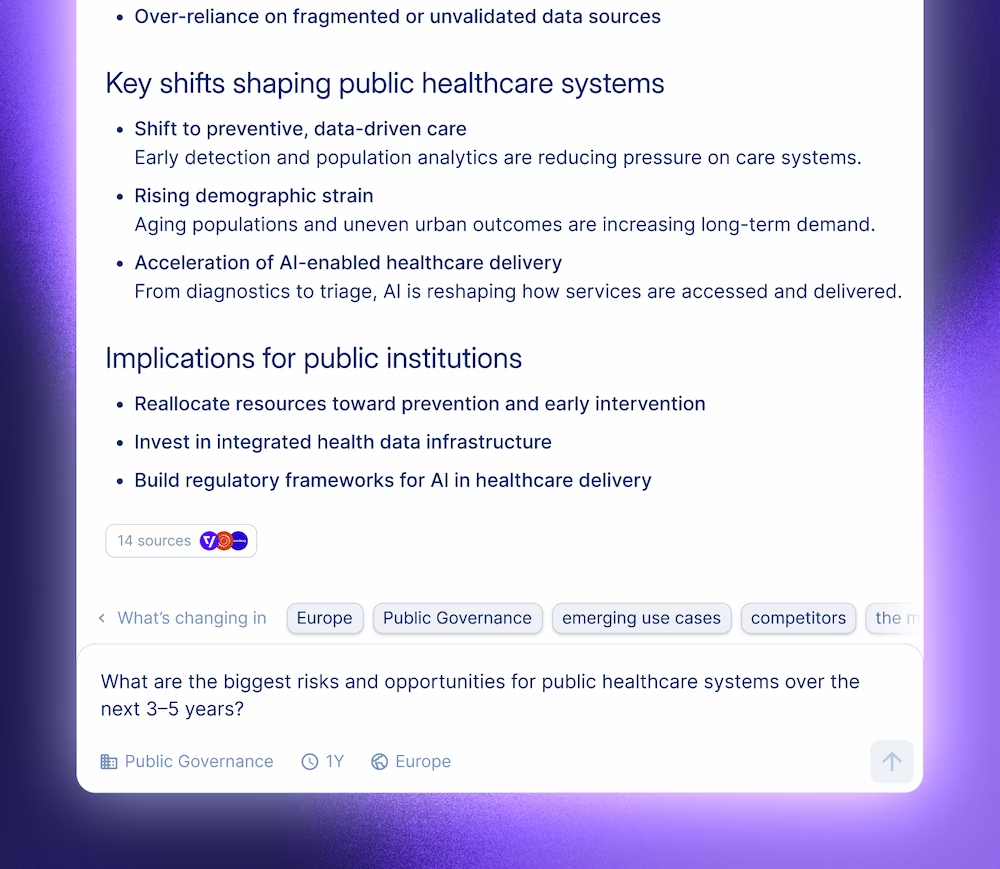
The trend of deglobalization is expected to impact global trade structures, with countries increasingly adopting protectionist policies and shifting focus back to local production. This might necessitate more robust governance frameworks to ensure fair trade practices and mitigate economic risks.
Deglobalization trends can shift the focus of regulatory agencies to prioritize local over global compliance standards and governance frameworks, perhaps necessitating changes in policy emphasis to address more regionally focused initiatives. Increasing isolation of economies may lead to disrupted supply chains, emphasizing the need for resilience-building within governance bodies and creating opportunities for the company to offer solutions that enhance operational stability in public projects
Strengthen partnerships with regional governance bodies to create integrated governance standards that align with shifting political and economic realities. This will enhance efficiency in public institutions by reducing red tape and fostering adaptive governance practices. Collaborating with regional actors addresses both political change and deglobalization challenges.


The surge in international collaborations for digital governance, as seen in Kenya and Singapore, reflects a global trend toward interconnected and secure e-government systems. This is expected to enhance cybersecurity, efficiency, and service delivery
The adoption of electronic government results in direct impacts like streamlined operations, reduced paperwork, and improved service delivery for government bodies, enhancing efficiency and transparency within public institutions. Increased adoption of digital tools leads to enhanced accountability mechanisms and easier compliance with regulations, support for public administration efficiency, and reduced operational costs for government bodies.
The company could enhance public sector efficiency by adopting interoperable digital service standards. Implementing these frameworks aligns with government priorities for streamlined operations and prioritizes cybersecurity, crucial for maintaining citizen trust. By integrating AI in governance frameworks, the company could address political and social demands for more efficient and transparent public administration. This aligns with government reform efforts and enhances citizen engagement and trust.


Digital sovereignty is increasingly becoming a national priority, with countries investing in sovereign cloud infrastructure to ensure control over data residency and compliance with local laws. This trend is likely to have a substantial long-term impact on public governance, enhancing trust and security in digital systems.
The shift towards digital sovereignty can lead to increased costs for companies developing governance frameworks that comply with local data regulations. Changes in regulatory environments might compel companies to develop localised solutions, increasing their operational complexity. Governments may reduce their reliance on foreign tech giants, increasing demand for localized governance solutions
Policy development must prioritize digital sovereignty by lobbying for sovereign digital infrastructure funding to ensure compliance with data protection and promote public trust. This alignment with government priorities supports transparency, legal autonomy, and caters to public expectations for data security.
During onboarding, we build a Tailored Customer Context for your institution, a structured profile that captures your mandate, the policy domains you oversee, your key stakeholders, and your current strategic objectives. This context layer doesn't just filter what you see; it changes how every signal is interpreted. News summaries, AI-generated answers, and trend insights are all framed against your specific environment, not against a generic public sector average. As your priorities evolve, your context is updated to reflect them.
Trendtracker applies workspace-level access controls and data isolation, so your institution's intelligence is only accessible to the teams you designate. For specific data residency, sovereignty, or classification requirements, our team works directly with your security and legal functions during onboarding to configure the platform to your standards. We also work with civic and public institutions on flexible enterprise arrangements that accommodate formal procurement requirements, including framework agreements and phased pilot structures.
Trendtracker continuously scans over {{documents}} documents across {{sources}}+ sources globally. Source categories include academic research papers, patents, startups & investments, industry news, corporate news, consumer news, macro forces, social issues, and newspapers. For public institutions specifically, this means your intelligence feed captures everything from emerging scientific evidence and intellectual property movements to regulatory shifts, societal pressures, and geopolitical developments, all structured around your institution's specific mandate and priorities.
Many intelligence agencies provide completed analyses, reports, and briefings prepared by external experts. Trendtracker offers your team a live feed of essential signals that underlie those reports. This continuously updating feed allows you to monitor the trends you choose, and it can be customized to fit your specific mandate while remaining traceable to its sources.
Onboarding is led by our Customer Success team and structured around your organisation's priority domains. We assist you to define the trends that should be part of your radar, configure your Trend Board together, align the signal feed to your mandate, and guide your team to their first intelligence output, typically within the first session. We also accommodate the longer internal approval and scheduling cycles that are common in public institutions, so the pace of onboarding works around you, not the other way around.