Strategic IntelligenceApril 17, 2025
Top Trends Shaping Football in 2025: Localization, Fan Fatigue, and AI
Football clubs and leagues are facing more than competition on the pitch. Shifts in fan behavior, fragmented media rights, and pressure to unlock new revenue streams are forcing organizations to think differently about their future. That future is starting to include AI.

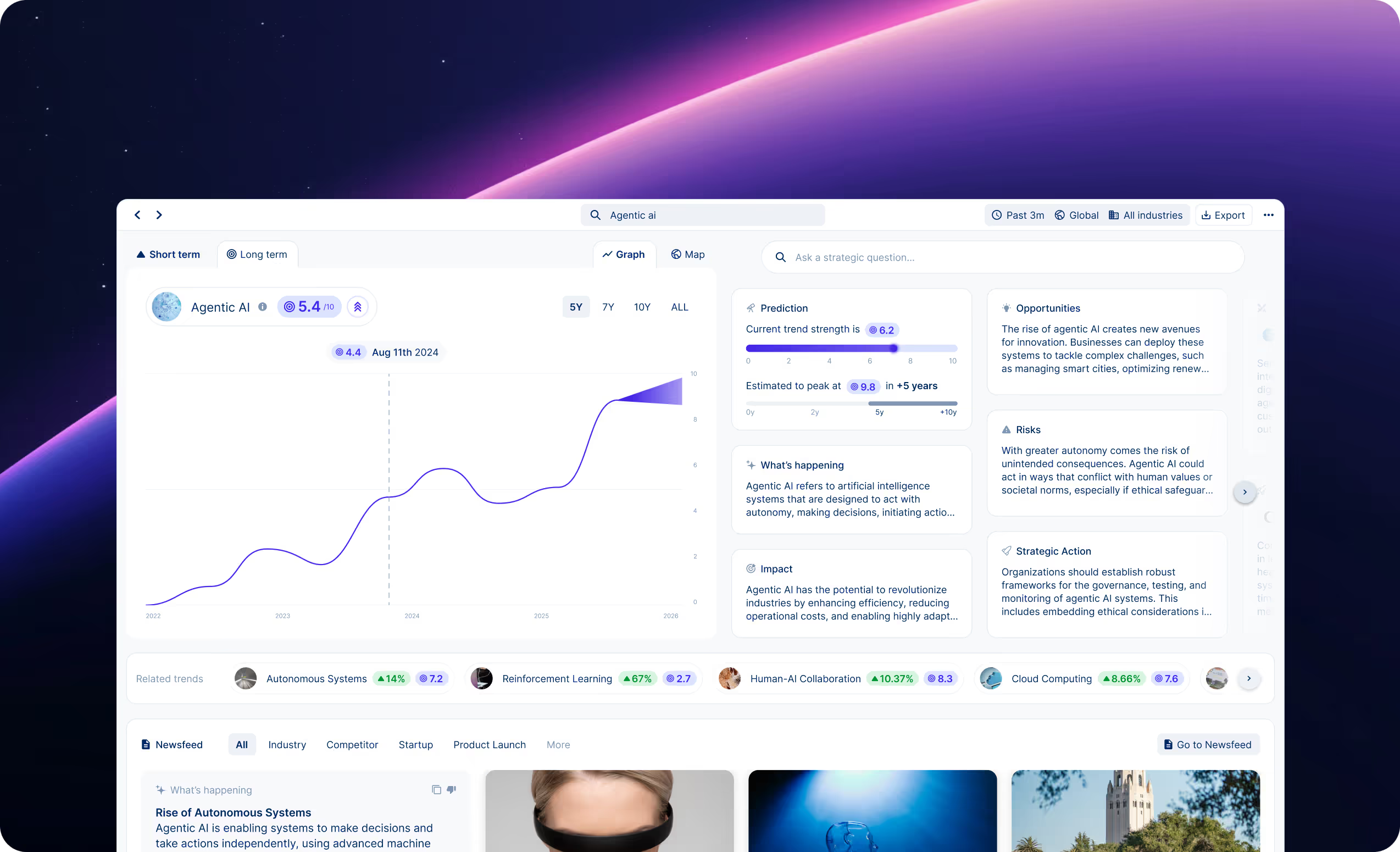
In a recent episode of the Trendtracker Strategy Show, Leander Monbaliu, Chief Business Officer at LaSource, shared how AI-powered strategic intelligence is helping reshape how football organizations approach business decisions.
LaSource is a sports consulting agency that works with major players like UEFA, Bundesliga, and the French Football League. Their focus sits at the intersection of strategy, technology, and innovation in sports.
From media rights to strategy roadmaps
Leander began his career handling media rights for the Belgian Pro League. That role sparked his interest in strategy, and eventually led him to co-own LaSource, where he now helps sports organizations stay ahead of market shifts.
He explained that sports has long been focused on short-term performance. Winning matches, managing contracts, reacting to the season. Strategy often played a secondary role. But that is changing fast.
Revenue models based on media rights are under pressure. Content is scattered across platforms. Fans are growing tired of juggling multiple subscriptions. In response, clubs and leagues are starting to build strategy and innovation departments focused on the long term.
AI is becoming a key part of that shift.
How clubs are starting to use AI
While AI has been present in performance tracking and injury prevention for years, its role in business strategy is now emerging.
AI is helping with:
- Fan engagement and personalized content
- Streamlining operations
- Evaluating sponsorship value
- Forecasting market trends
- Spotting early signals of change
LaSource uses AI not just to monitor trends but to help clients make sense of them. “We contextualize the insights to the specific world of sport,” Leander said. “But we also learn from other industries. Banking, media, even different regions. That gives us a more complete view.”
One standout example is Camb.ai, a startup offering speech-to-speech translation technology. The French Football League recently started using it to localize their content into over 150 languages. That is a direct response to the growing need for global content that still feels local.
Strategic intelligence isn’t just a corporate thing
LaSource’s collaboration with Trendtracker reflects a broader move toward smarter foresight. The goal is not just to spot trends, but to assess their impact, prioritize them, and act early.
“Clubs used to see strategy as something abstract,” Leander said. “Now they need to show return on investment. They are expected to create new business models and diversify revenue. That pressure is making strategy essential.”
The comparison with performance data is helpful. Years ago, many coaches resisted using analytics. Now, it is standard practice. Leander sees the same shift happening on the business side. “The teams that integrate data and insights will have a competitive advantage.”
Trends football organizations should be tracking
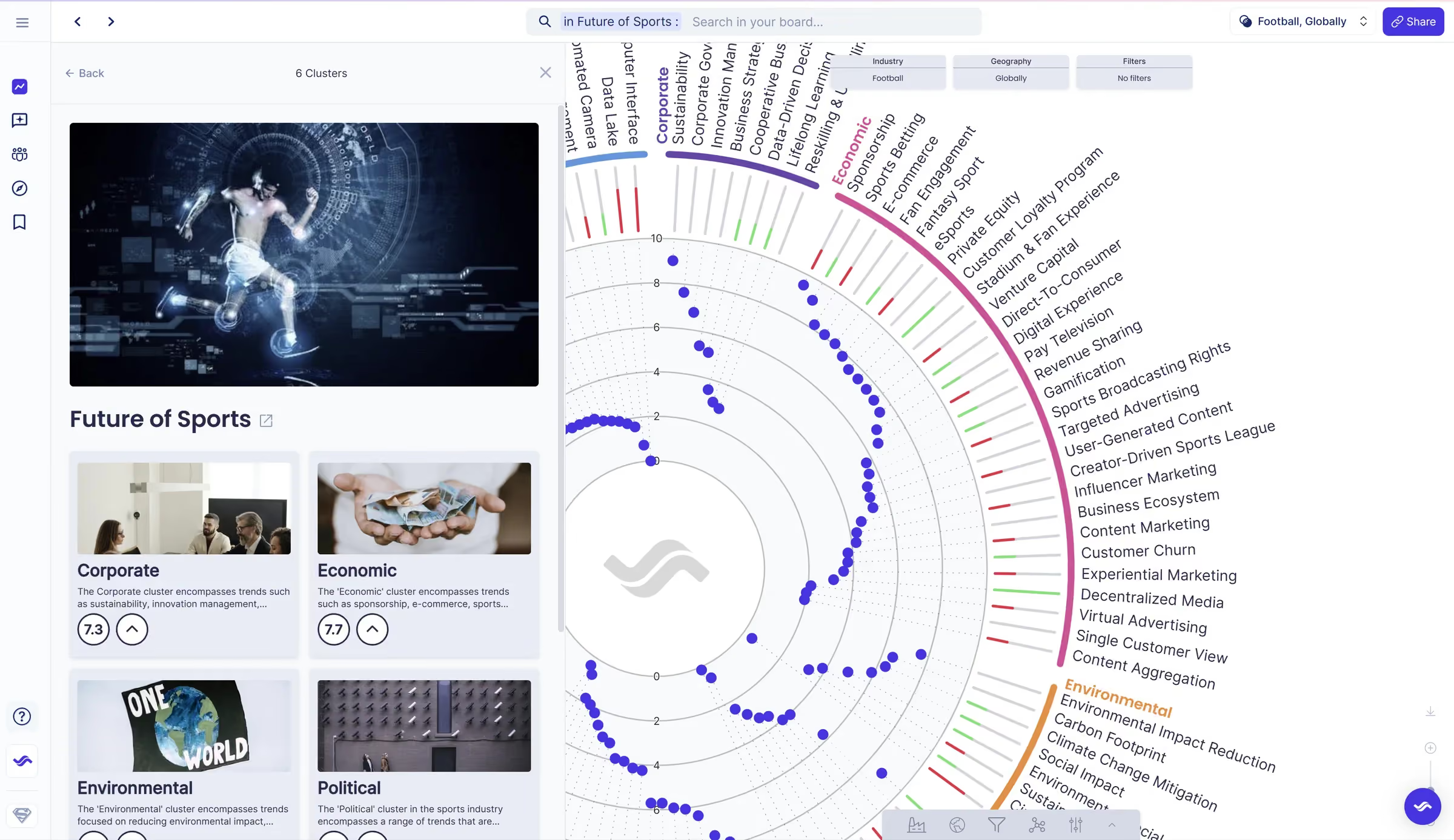
Several themes came up in the conversation that clubs and federations should pay close attention to. These include:
Localization
Global leagues need to speak to local audiences. Localization is no longer a nice-to-have. It is central to content strategies, sponsorships, and fan engagement.
Subscription fatigue
As media rights are split across platforms, fans are overwhelmed by the number of subscriptions needed to follow their team. Consolidation could be the next big move.
Fan migration
Fans are moving to digital and streaming platforms. Their expectations are shaped by other industries, and sports needs to keep up.
Direct-to-consumer business models
Leagues are exploring how to connect directly with fans instead of relying only on B2B models.
Industry consolidation
Mergers and acquisitions are changing the landscape. This will reduce competition and may impact the way data, media, and tech partners work with clubs.
What makes the LaSource–Trendtracker partnership work
According to Leander, the reason this collaboration feels natural is because Trendtracker brings structure and foresight, while LaSource brings context and industry knowledge.
“We know the market well, but we can’t pretend to know everything. Trendtracker helps us spot signals early and look further ahead,” he said.
Together, they guide clients through building future-proof strategies by identifying emerging risks, new opportunities, and long-term trends that could impact everything from fan behavior to sponsorship models.
How to get started with AI in strategy
Leander’s advice to sports executives and strategy teams is simple: start testing.
“You don’t need to be the first mover, but being an early follower already puts you ahead,” he said. “Set up a pilot, build a proof of concept. Start using AI to improve existing workflows and see where it fits.”
It is not about replacing human judgment. It is about building a clearer picture of what’s coming and acting on it sooner.
Final thoughts: Strategy should live outside your head
One closing idea from the conversation stands out. Many organizations have a strategy, but it only exists in someone’s mind. It is not written down, not shared, and not actively used.
Leander recommends turning ideas into action. That means writing it down, building a roadmap, and aligning teams across the organization. In his words, “Foresight beats hindsight.” But only if you use it.
Want to explore how strategic intelligence can support your own organization? Try Discover by Trendtracker and start tracking the trends that matter.
Book a quick demo or follow the podcast for more real-world stories from the intersection of AI, foresight, and strategy.